Playing Rugby Without a Scoreboard: Why Metrics Matter in Business
How do you know if you’re winning or losing in business?
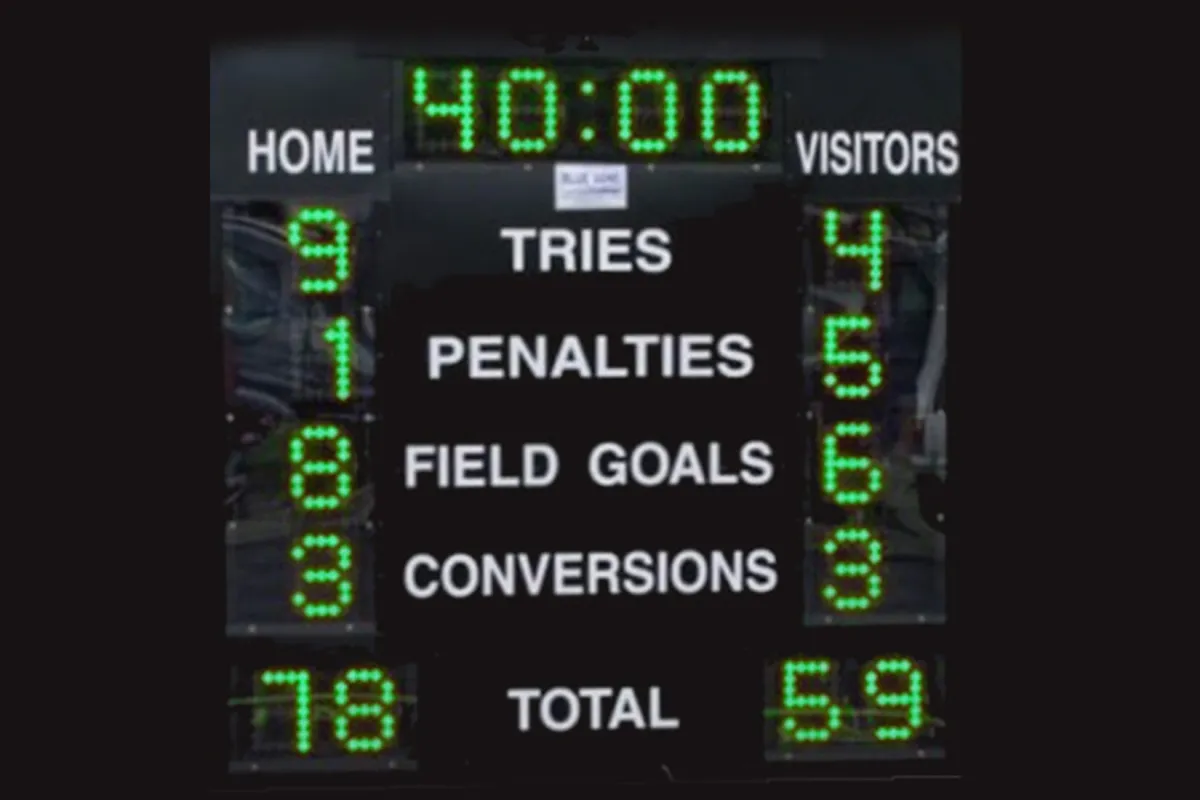
It’s a deceptively simple question, yet one that many owners and leaders struggle to answer with clarity. The truth is, without meaningful data and clear performance indicators, running a business is like playing rugby without a scoreboard. You might feel busy, even exhausted, but you have no idea if you’re actually ahead.
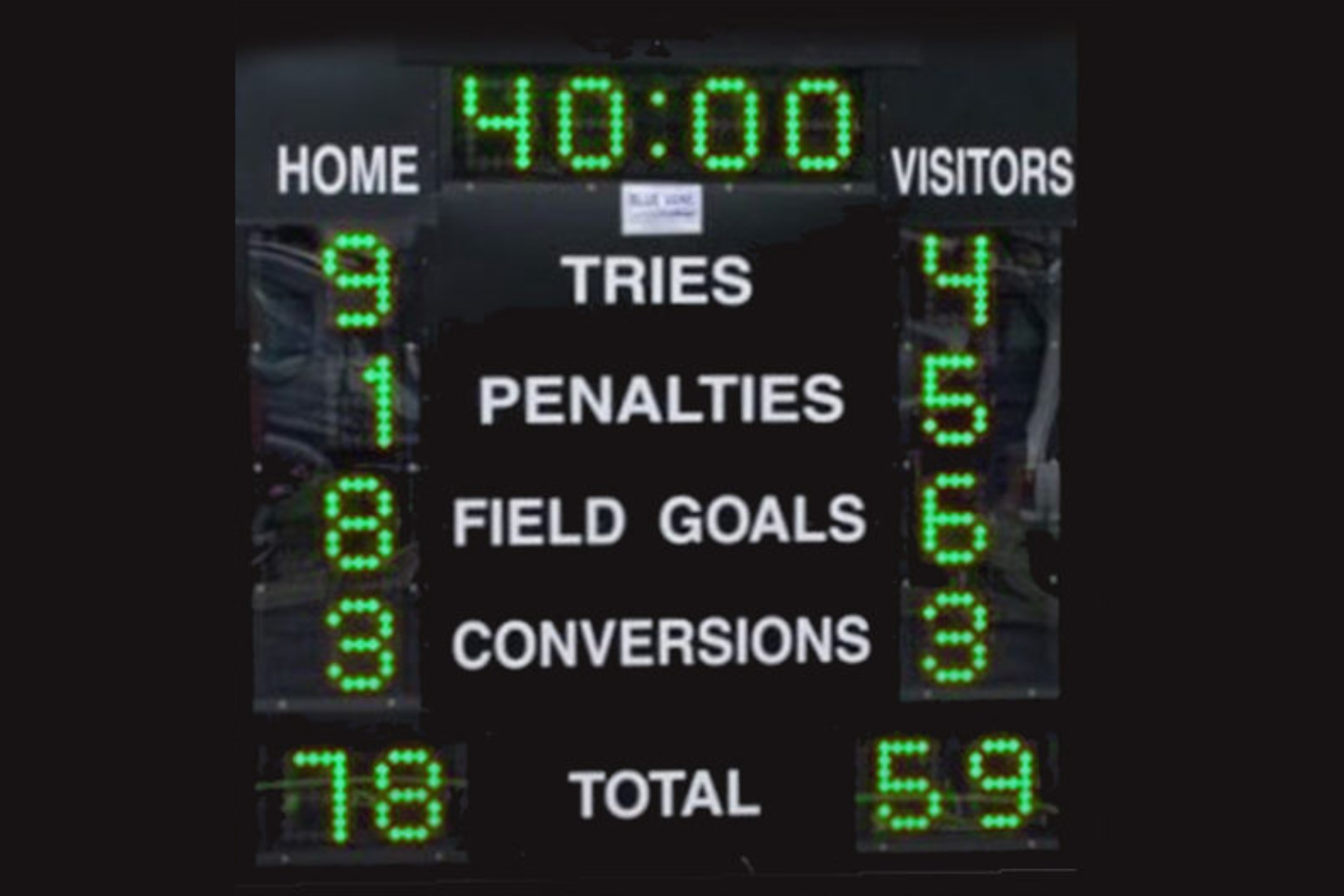
Every business needs a way to measure success. Key Performance Indicators (KPIs) are the scoreboard that tells you whether your strategy is working. They translate activity into insight — turning hours, effort, and investment into measurable outcomes. But not all data is created equal. The challenge isn’t collecting information; it’s knowing which numbers matter to your business and why.
Start by asking: What data is important in your business?
For some, it’s billable hours or utilisation rates. For others, it might be kilograms of beef per hectare, customer retention, or project turnaround time. The right metrics depend on your industry, your goals, and your stage of growth. What matters most is that the data you collect helps you make better decisions. It's the secondary task of analysing the data and the decision making that follows that is important, not the filling in of spreadsheets.
Too often, businesses fall into the trap of collecting data for its own sake. Dashboards multiply, reports pile up, and your team gets busy collecting what ultimately proves to be meaningless information at a high cost. Data without purpose is noise. If you’re not going to use it to improve performance or guide strategy, don’t bother collecting it. Every metric should earn its place by helping you understand whether you’re moving toward your goals or away from them.
“In business, what’s measured improves.” – Mark Cuban
Think of your business like a game. The players on your team need to know the score to stay motivated and aligned. Without that feedback, effort becomes guesswork. A scoreboard doesn’t just measure results; it drives behaviour. Measurement turns activity into learning. It's the bridge between intention and improvement. When people can see progress, they adjust and improve. When they can’t, they drift.
“If you are not measuring, you are practising.” - Parsons.
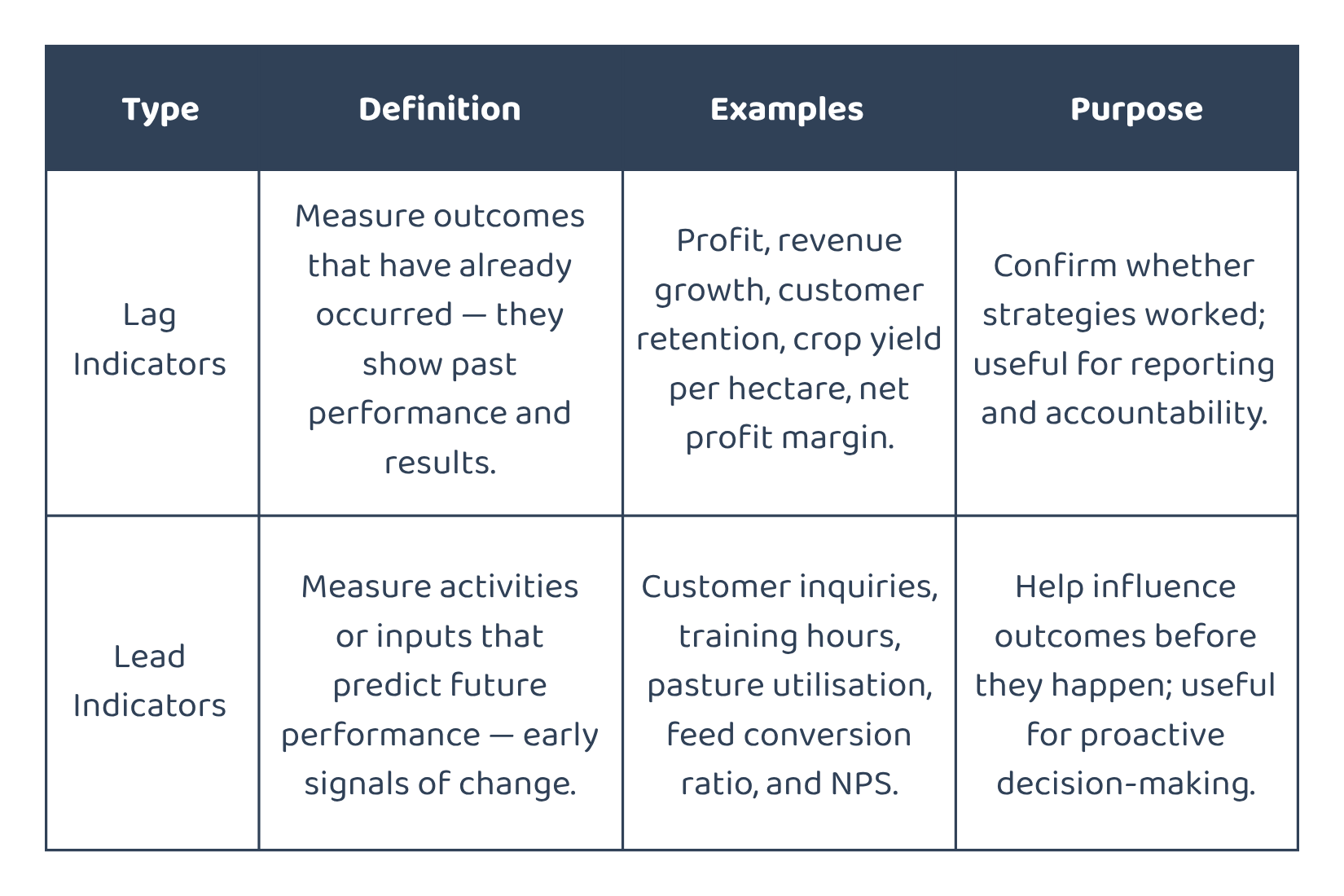
In practical terms, this means identifying a handful of metrics that truly matter. For most businesses, the profit and loss statement is the starting point. It's a snapshot of financial health that reveals whether the enterprise is making or losing money. But financial data alone isn’t enough. It tells you what happened, not why. To lead effectively, you need both lag indicators and lead indicators. The former shows outcomes; the latter predicts them.
Good measurement is about clarity, not complexity. A simple, well‑chosen set of KPIs can transform how you see your business. It can highlight strengths, expose inefficiencies, and reveal opportunities for growth. More importantly, it builds accountability. When everyone knows what success looks like, they can take ownership of achieving it.
Collecting and analysing data isn’t just a technical exercise; it’s a leadership discipline. It requires curiosity, honesty, and a willingness to act on what the numbers reveal. Sometimes that means celebrating wins; other times it means confronting uncomfortable truths. Either way, data gives you the power to respond intelligently rather than react emotionally.
So, if you’re serious about Accelerating Achievement, start with purpose. Decide what winning looks like for your business. Choose metrics that reflect that vision. Track them consistently. And most importantly, use them to learn and adapt. Because in business, as in sport, the scoreboard doesn’t just record the game, it changes how you play it.
If you want help with your scoreboard, or the development of one, reach out - we are always here to help.