Looking back to see how far you have come
Lately, I’m hearing a similar theme from a lot of clients: costs are rising (freight, wholesale price increases), customers are being more careful with spending, and it’s starting to show up in sales and revenue. And when the numbers feel tighter, it’s very easy to slip into the story of “I’m not achieving right now.” This is exactly when I encourage you to pause, look back at how far you’ve come, and deliberately find the wins, so you stay motivated and make your next decisions from clarity, not from pressure.
In business (and life), it’s easy to look up at the next target and feel like you’re not moving. The calendar flips, the to‑do list regenerates overnight, and before you know it, you’re telling yourself, “I should be further ahead by now.” If that sounds familiar, you’re not alone. It’s also a measurable mindset pattern, not a personal flaw.
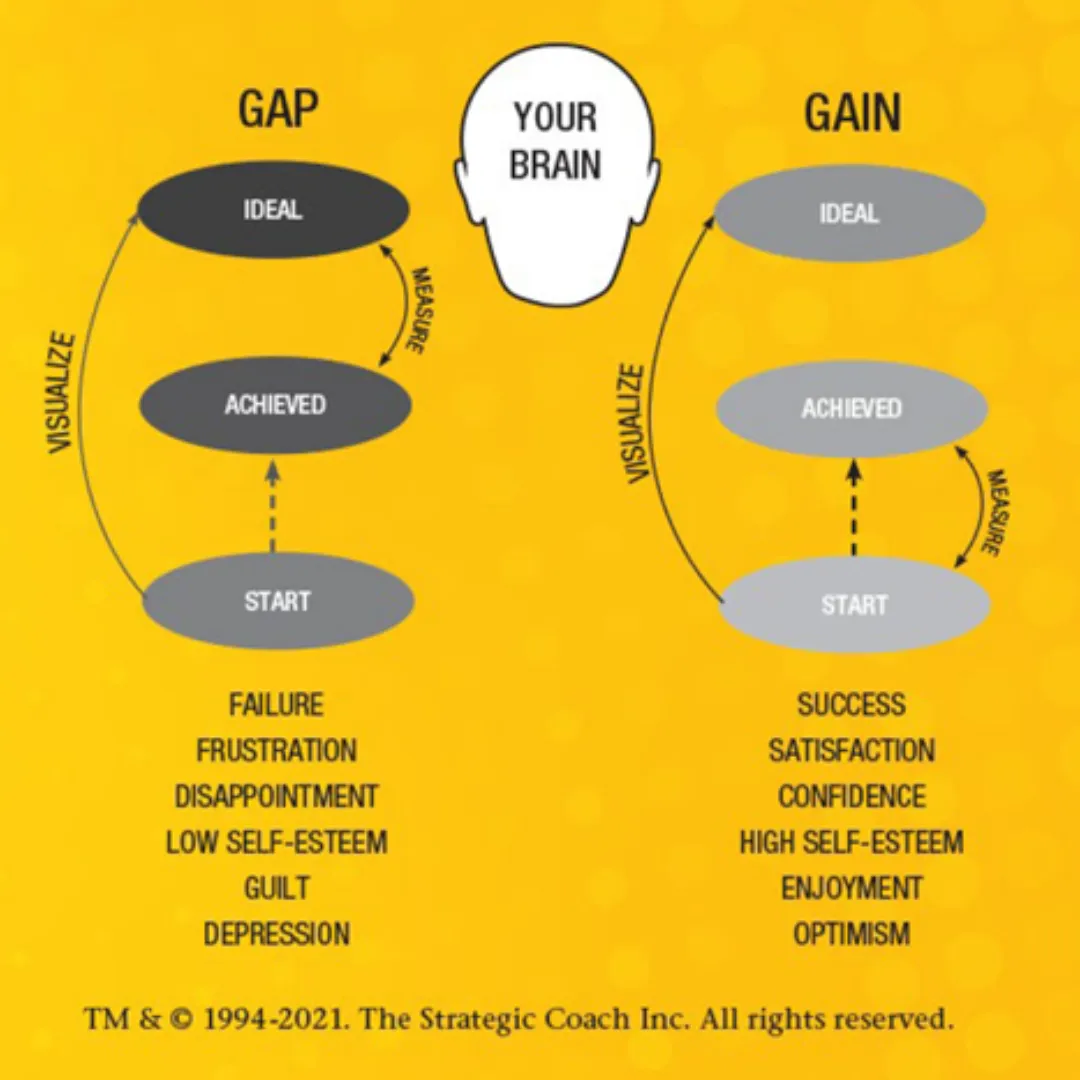
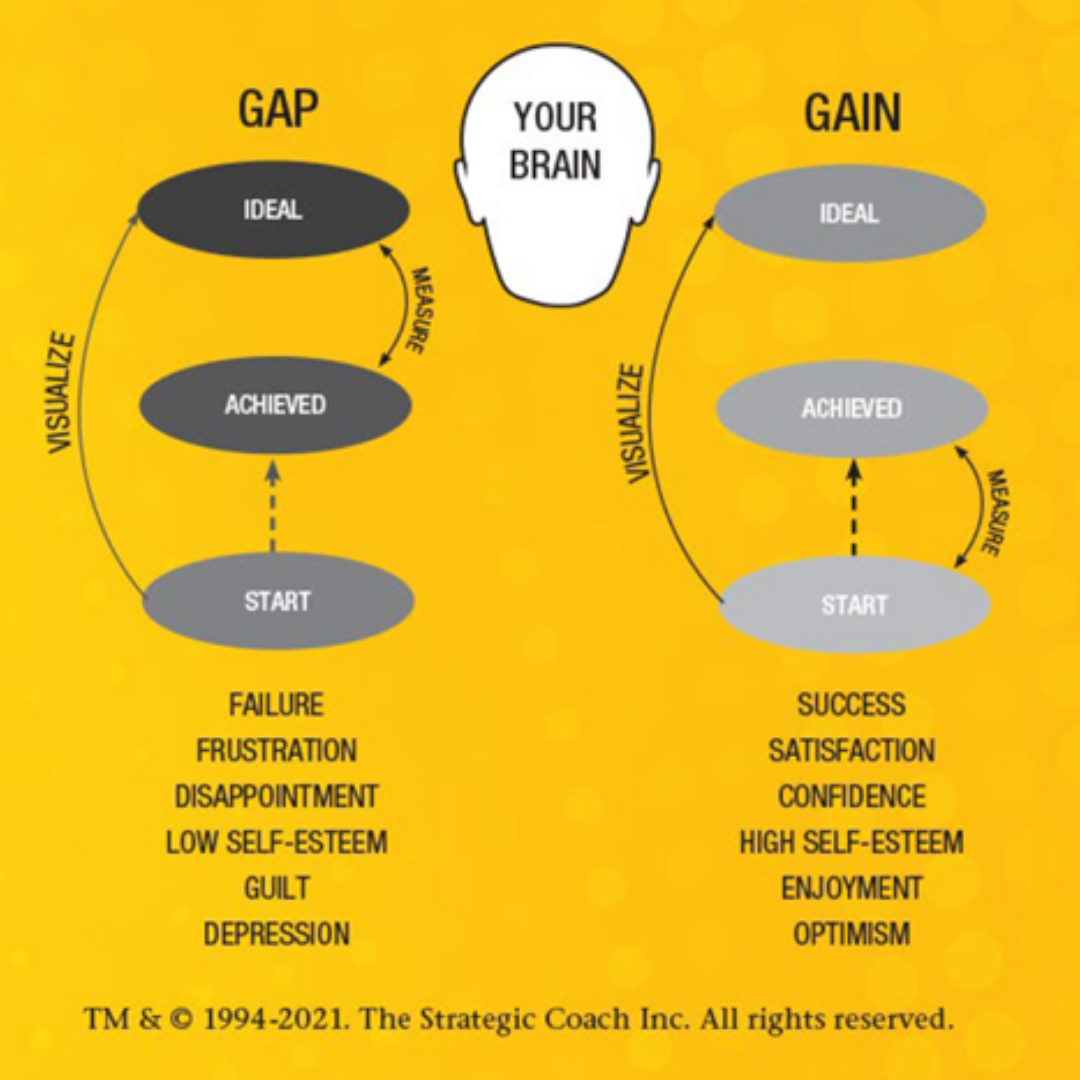
In The Gap and the Gain, Dan Sullivan and Dr Benjamin Hardy describe a trap many high achievers fall into: you set an “ideal” and then judge today only by how far you still have to go. Because the ideal keeps evolving, the verdict stays the same “not there yet” (Sullivan & Hardy, 2021). The alternative is what they call the Gain: keep your goals but measure your growth from your actual starting point—skills built, results delivered, and momentum created (Sullivan & Hardy, 2021). Same ambition; a fairer scoreboard.
One of my favourite reminders for clients is this:
“When you pause and look back, you see progress that you were too busy to notice.”
That pause is necessary and it’s a leadership move. Sullivan and Hardy suggest building a habit of looking back on purpose, so your brain has proof that you’re moving (Sullivan & Hardy, 2021). Here’s a simple coaching check‑in you can do at the end of a week or month:
What are three wins I created (outcomes, decisions, relationships, systems)?
What did I learn that will make the next cycle easier?
What’s one adjustment I’ll make—starting now?
This isn’t a pep talk; it’s measurement. You’re simply changing the comparison point, from an ever-moving ideal to the real starting line so you can see what’s true (Sullivan & Hardy, 2021).
Here’s another way to think about it: progress is like a shadow that only appears when you turn toward the light. If you stare only at the ideal future, you can miss the outline of what you’ve already built. So, I’ll often ask: when was the last time you turned around and looked at the distance you’ve travelled?
Example 1: A plumbing business — how the scoreboard changes
Picture this: you run a small plumbing business. You’ve trained an apprentice, tightened up job scheduling, and started charging for call-out fees more consistently. This month, revenue is still a little under your “ideal” target, and you’re frustrated because it feels like you’re working harder for the same result.
Now watch what happens depending on how you score the month. In the Gap: “I missed the target, so it wasn’t good enough.” In the Gain: “What’s better now than it was?” That second question puts you back in the driver’s seat. You might notice you’re scheduling 5 days out instead of 2, your average invoice has lifted because quotes are tighter, travel time is down because runs are grouped, and your apprentice can handle simpler jobs solo—freeing you for higher-margin work. Those are the building blocks for next month’s growth. Gain thinking doesn’t remove standards; it stops the standard from wiping out the wins (Sullivan & Hardy, 2021).
Example 2: An allied health practice — a month that feels “flat” but isn’t
Let’s say you run a small allied health practice (physio, OT, or speech). You hire a new clinician, streamline intake, and start using SMS confirmations to cut down no‑shows. Then you look at the month’s revenue and it feels underwhelming because one clinician was off sick for a few days and several appointments had to be moved.
In the Gap, your brain jumps to: “This isn’t working.” In the Gain, you ask a better question: “What did we improve that we can keep?” Maybe cancellations fell from 12% to 7%, your care plans are clearer (so follow‑ups run smoother), clinical notes are more consistent (less admin drag and lower risk), and you can finally see where referrals are coming from—GPs, schools, and word of mouth—so you can invest your time in what actually fills the diary. As Sullivan and Hardy point out, the ideal is helpful for direction, but it’s a harsh yardstick because it keeps shifting (Sullivan & Hardy, 2021). Measuring backwards helps you stay ambitious without dismissing what’s already working.
How to shift into the Gain (without lowering standards)
Book a recurring “look back” (weekly or monthly). Protect it like a client meeting. Wins, lessons, next experiments.
Define the starting line. For every goal, write a baseline (time, cost, quality, customer feedback). If you can’t describe “before,” it’s hard to prove “progress”—and hard to improve it on purpose.
Use the ideal as a compass, not a verdict. Swap “Why aren’t we there?” for “What’s the next step from here?” (Sullivan & Hardy, 2021).
Use gratitude as evidence. Sullivan and Hardy link Gain thinking with gratitude because it trains attention on what exists and what you’ve created (Sullivan & Hardy, 2021).
When you pause and look back, you’re not lowering expectations—you’re updating the story with facts. Yes, there will still be gaps and unfinished work. But you also get to name what you’ve built, what you’ve improved, and what you can repeat. That’s how confidence (and better decisions) are made: from reality, not from the constant pressure of “not enough.” That is how you accelerate achievement. And in a shifting economy, that focus on what’s working matters even more.
So here’s my coaching question to finish: what are three gains you can name from the last month, right now?
I would love you to share them with me. Book a call with me.
Reference
Sullivan, D., & Hardy, B. (2021). The Gap and the Gain: The High Achievers’ Guide to Happiness, Confidence, and Success. Hay House Business.