Above and Below the Line: The Leadership Divide That Shapes Every Business
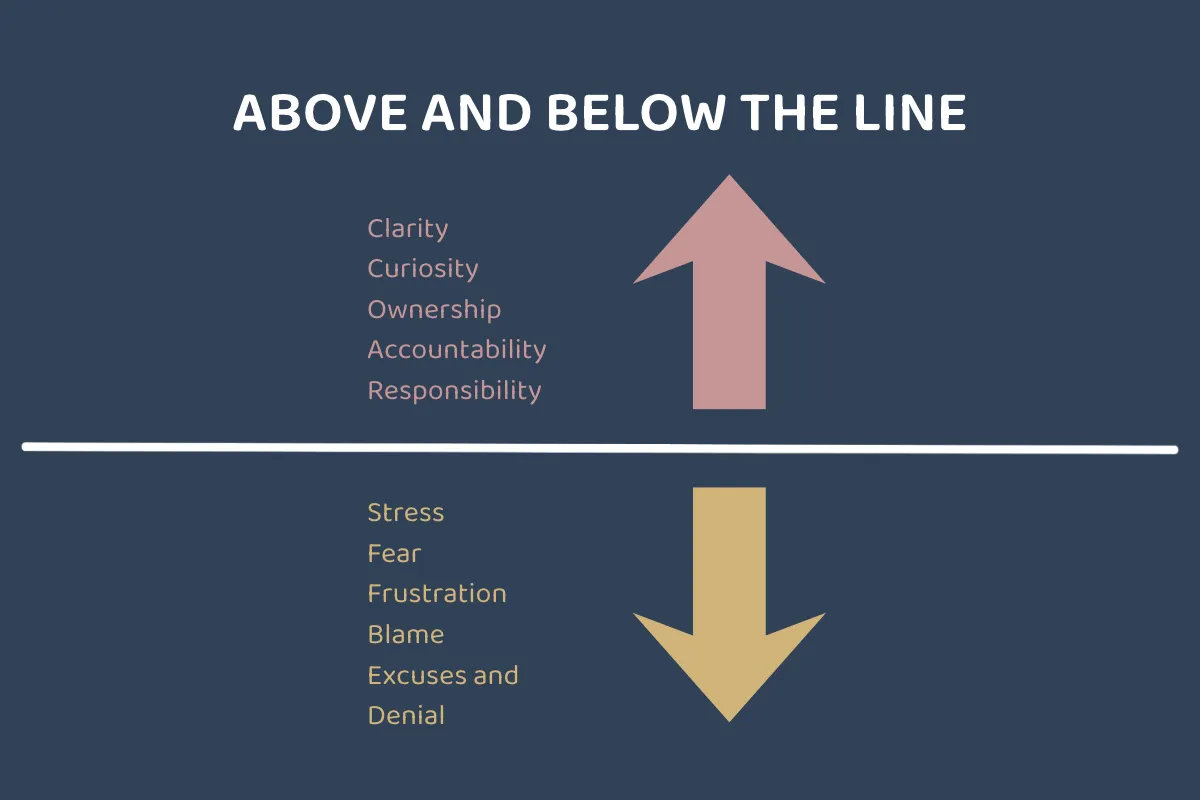
Every business owner operates on a line, a mental boundary between conscious leadership and reactive management. Above the line, we lead with clarity, curiosity, and accountability. Below it, we react from stress, fear, or frustration. The line isn’t about right or wrong; it’s about awareness. The question is: do we notice where we are, and do we choose to move?
Being above the line means taking ownership. It’s the mindset that says, “I’m responsible for the culture, the results, and the tone of this business.” Above the line, we ask better questions: “What’s really happening here?” or “What can I learn from this?” We look at problems as data, not drama. We listen to understand, not to defend. It’s the space where we lead with curiosity and confidence, knowing that growth comes from learning, not blame.
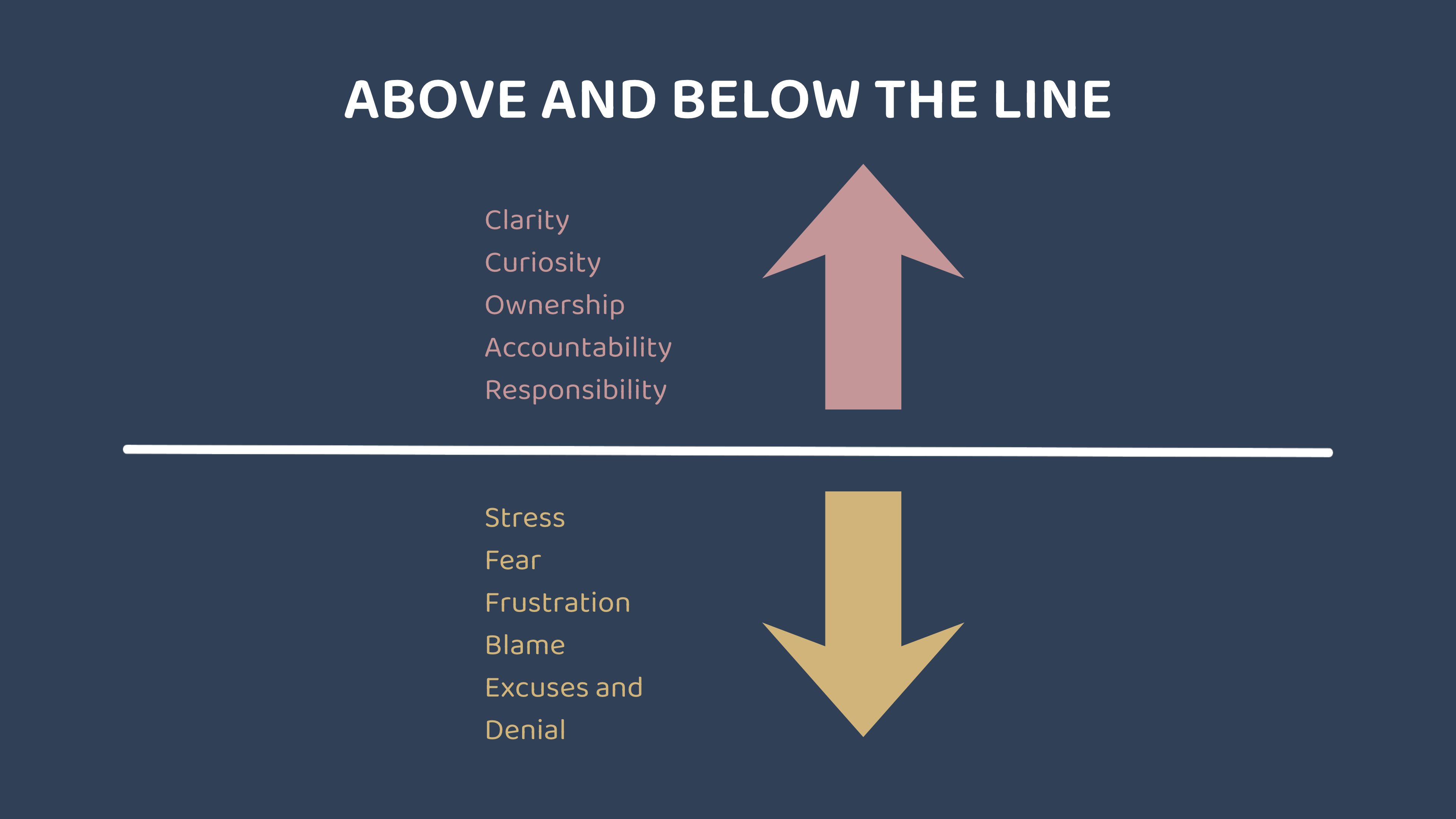
Being below the line feels different. It’s reactive, protective, and often invisible in the moment. We justify poor results, blame the market, or get stuck in frustration with staff. We tell stories that make us right and others wrong. Below the line, energy narrows; we focus on control instead of progress. It’s not failure; it’s human. But staying there too long drains momentum and morale. Teams sense it instantly: the owner who’s tense, the meeting that feels heavy, the conversation that shuts down instead of opening up.
The real skill isn’t staying above the line all the time; it’s noticing when we drop below and choosing to come back up. That’s where leadership becomes a daily discipline. The pause between stimulus and response is the owner’s most valuable tool. In that pause, we can breathe, name what’s happening, and shift from reaction to reflection. It’s not about perfection; it’s about practice.
Above‑the‑line business owners build cultures of ownership. When you model curiosity and accountability, your team mirrors it. People stop hiding mistakes and start solving problems. They move from “Who’s at fault?” to “What’s the fix?” The energy changes, meetings become lighter, decisions faster, and relationships stronger. It’s not soft; it’s strategic. Businesses that operate above the line outperform because they’re built on trust, not tension.
Below‑the‑line leadership, on the other hand, breeds compliance and silence. When fear drives behaviour, people protect themselves instead of the business. They say what’s safe, not what’s true. Innovation stalls because honesty feels risky. Owners who demand accountability from below the line rarely get it; accountability only thrives where people feel safe enough to own their part.
The shift between the two states starts with awareness. Notice the physical cues that signal you’ve slipped below the line: tight shoulders, short answers, the urge to micromanage. Then comes choice: Do I want to stay here? That question alone can lift you back above. It’s a moment of leadership in its purest form, choosing consciousness over comfort.
In coaching, I often describe the line as weather. Above the line, the skies are clear, you can see the horizon, read the conditions, and make decisions with perspective. Below the line, the clouds close in; visibility drops, and everything feels urgent. The work isn’t to judge the storm but to notice it and choose how to respond. Each time we rise above the line, we clear the clouds a little more. Over time, that clarity becomes culture, a shared habit of noticing, naming, and choosing better.
Business ownership isn’t about staying above the line forever. It’s about returning there faster, with humility and intention. The line is always moving, always testing us. But each time we cross it consciously, we expand our capacity to lead, not from stress or control, but from clarity and choice, and that is how we accelerate achievement.